Op dit platform ontdek je 1484 Haagse kunstenaars met 25783 werken. Via beeld en CV krijg je een indruk van hun activiteiten.
Nieuwe OOGst #4 - 2026
Bekijk de portfolio’s van de onlangs bij Stroom Den Haag ingeschreven kunstenaars: Emma van Amerongen, Pansee Atta, Michelle Beugeling, Anja Bohnhof, Feddow Claassen, Sara Nygård, Dominika Badyla, Ossip Blits, Matei Dragomir, Bahador Fatemi, Luna Konings en Levi Kramer.
-
![]() infoEmma van Amerongen
infoEmma van Amerongen -
![]() infoEmma van Amerongen
infoEmma van Amerongen -
![]() infoEmma van Amerongen
infoEmma van Amerongen -
![]() infoEmma van Amerongen
infoEmma van Amerongen -
![]() infoEmma van Amerongen
infoEmma van Amerongen -
![]() infoEmma van Amerongen
infoEmma van Amerongen -
![]() infoEmma van Amerongen
infoEmma van Amerongen -
![]() infoEmma van Amerongen
infoEmma van Amerongen -
![]() infoEmma van Amerongen
infoEmma van Amerongen -
![]() infoEmma van Amerongen
infoEmma van Amerongen -
![]() infoEmma van Amerongen
infoEmma van Amerongen -
![]() infoEmma van Amerongen
infoEmma van Amerongen -
 infoEmma van Amerongen
 -
![]() infoEmma van Amerongen
infoEmma van Amerongen -
![]() infoEmma van Amerongen
infoEmma van Amerongen -
![]() infoEmma van Amerongen
infoEmma van Amerongen
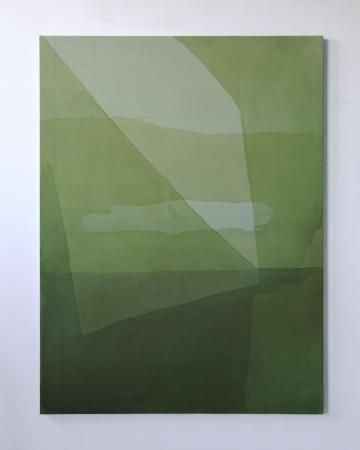
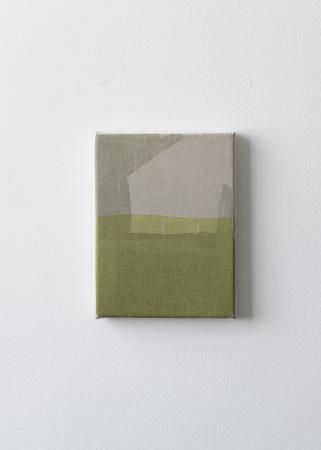
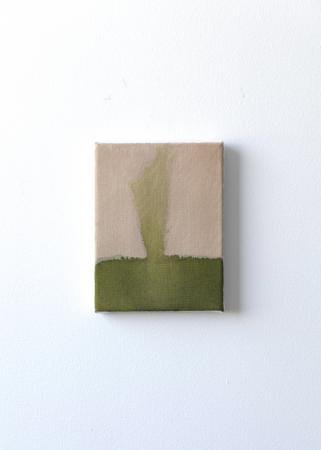
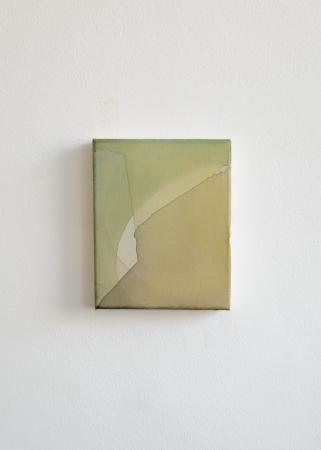
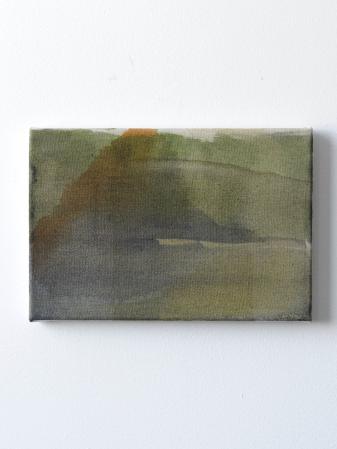
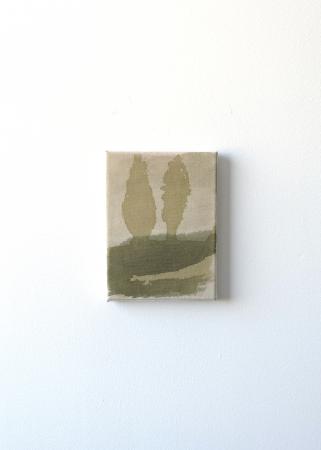
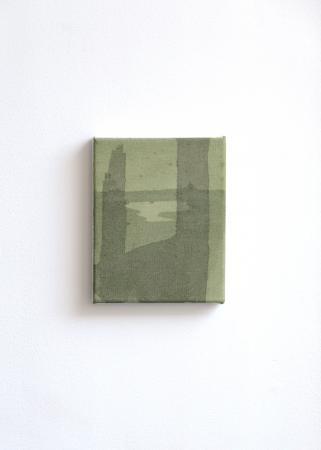
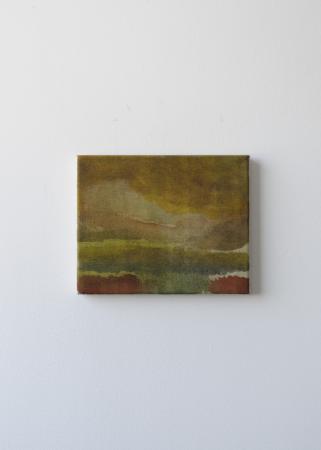
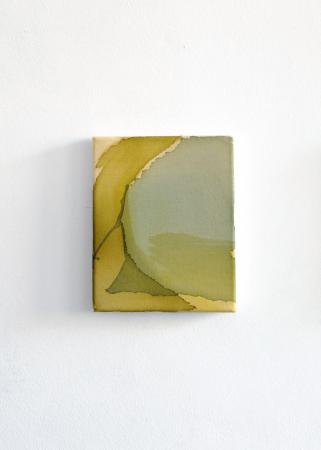
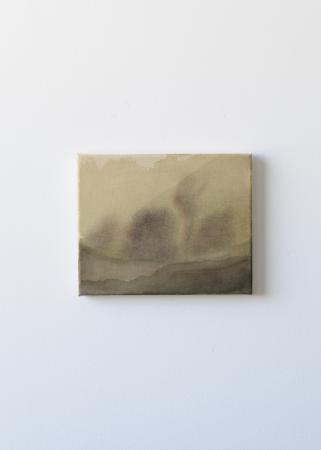
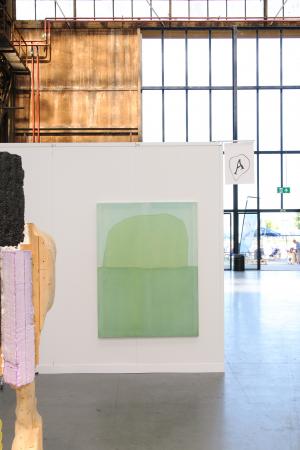
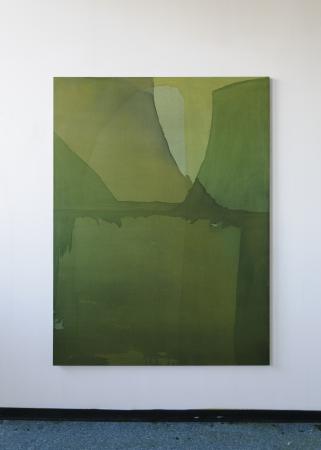
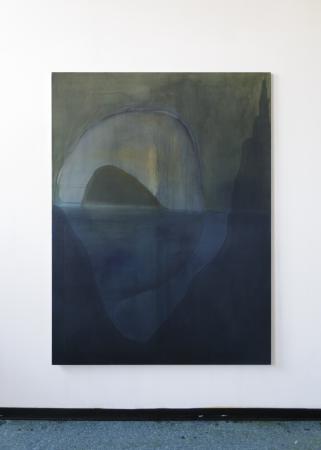
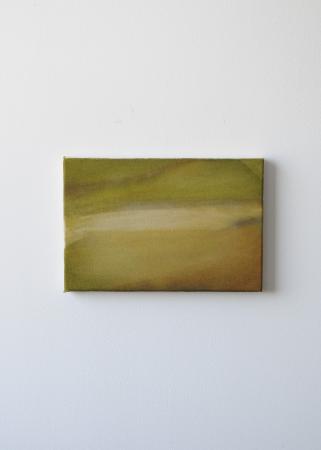
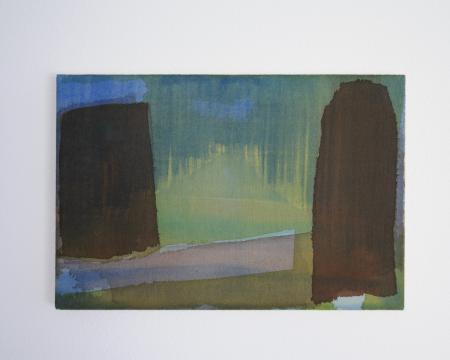
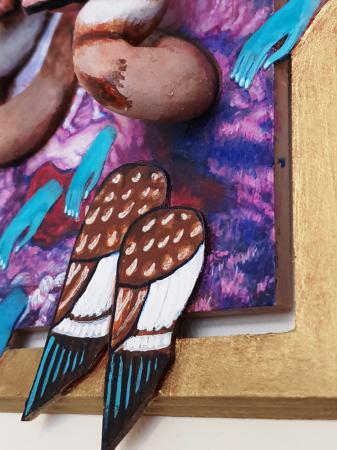
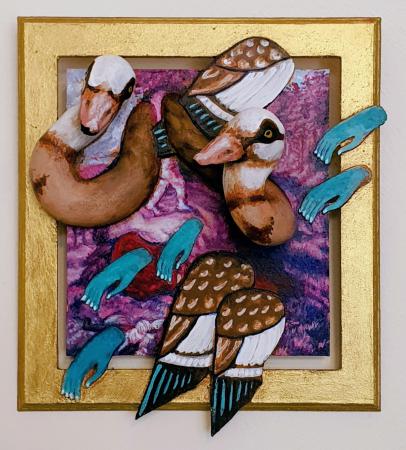
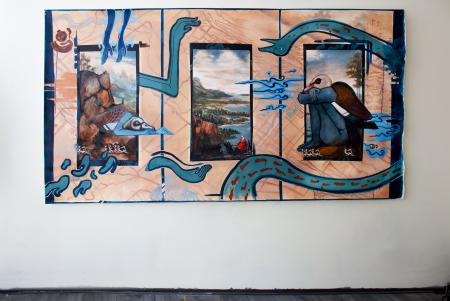
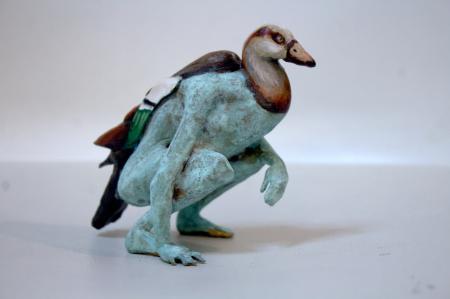
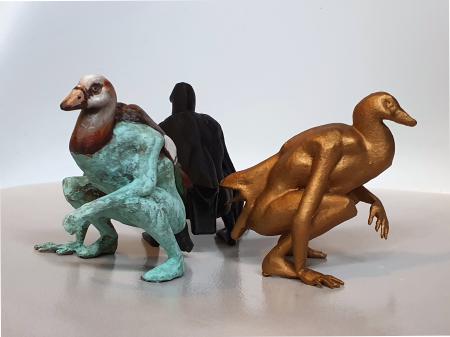
-
![]() infoDominika Badyla
infoDominika Badyla -
![]() infoDominika Badyla
infoDominika Badyla -
![]() infoDominika Badyla
infoDominika Badyla -
![]() infoDominika Badyla
infoDominika Badyla -
![]() info
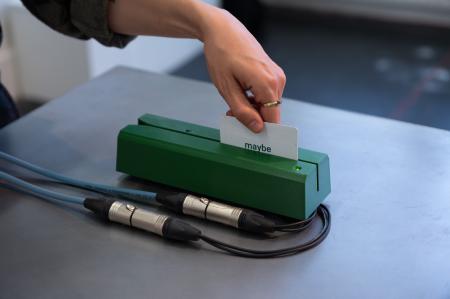
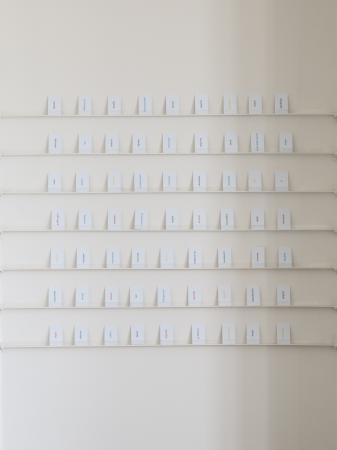
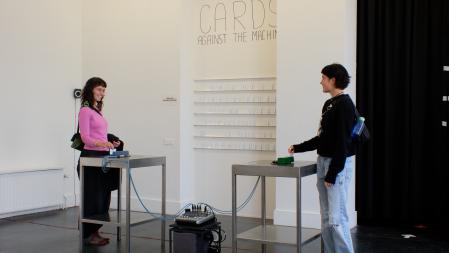
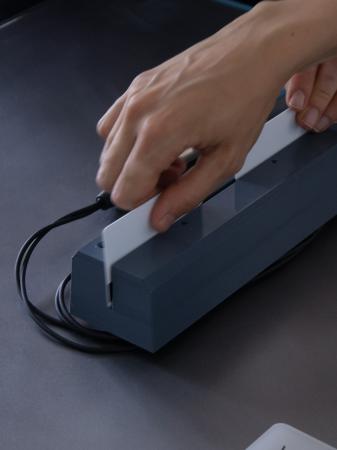
infoWat is de betekenis van handelen in de context van sociale systemen? Is het uitspreken van woorden een vorm van zelfexpressie in plaats van een poging tot communicatie? Wanneer de machine blijft draaien, ongeacht wat we zeggen, is spelen de enige gepaste expressie. Het muziekinstrument is gemaakt van afgedankte bankpaslezers en microfoonkabeltjes. Dankzij mijn eigen opnametechniek, gebaseerd op de ferromagnetische eigenschappen van het materiaal, is het mogelijk om een geluidsfragment direct op de magneetstrip van een bankpas op te nemen en af te spelen.
Dominika Badyla -
![]() infoDominika Badyla
infoDominika Badyla -
![]() info
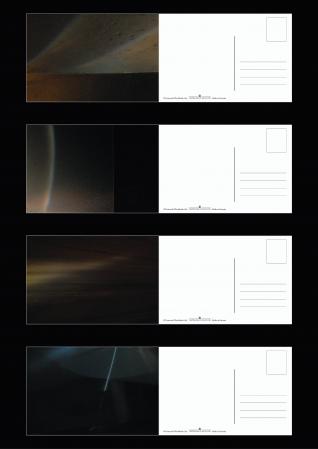
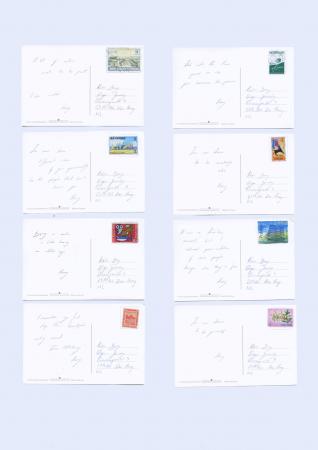
infoAnsichtkaarten die ik naar mijn vrienden stuurde tijdens mijn denkbeeldige wereldreis. De ansichtkaarten zijn uitgegeven door een fictieve uitgeverij genaamd 'Postcards Worldwide'. De afbeeldingen zijn geen echte landschappen, maar onbewerkte foto's van digitale hemelprojecties op polyurethaanplaten die ik in een oude tv vond.
Dominika Badyla -
![]() info
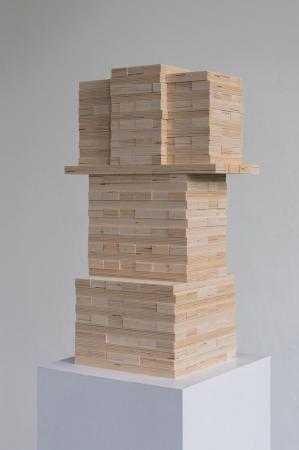
infoDe verlaten en gesloopte schacht 'Krystyna' is een teken van de tijd waarin de regio Silezië zich bevindt. Ooit een monumentale industriële toren, nu opgedeeld in 193 houten onderdelen, maakt de reconstructie van de geschiedenis eenvoudig en toegankelijk.
Dominika Badyla

-
 info
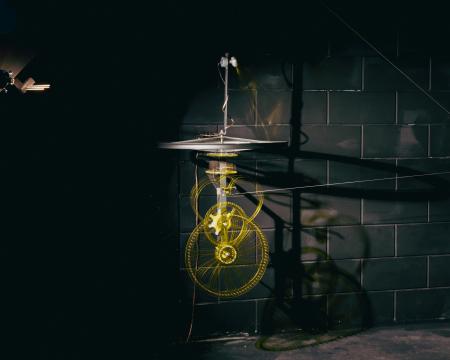
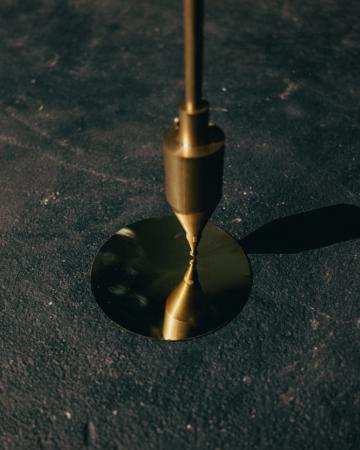
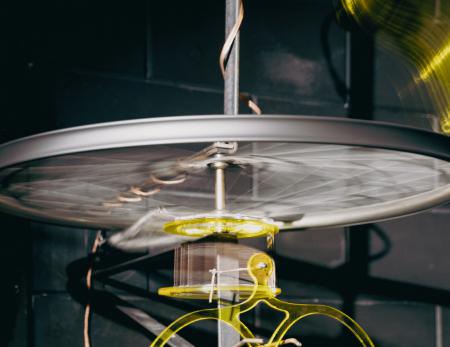
infoBalance-wheel Pendule Foto: Aaryan Sinha
Ossip Blits -
 info
infoFoto: Aaryan Sinha
Ossip Blits -
 info
infoCloseup: Balance-wheel Pendule Foto: Aaryan Sinha
Ossip Blits -
 info
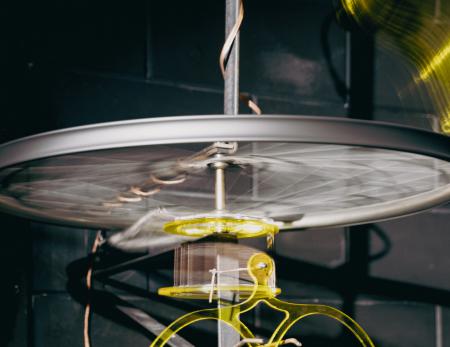
infoCloseup: Bike wheel escapement Foto: Aaryan Sinha
Ossip Blits -
 info
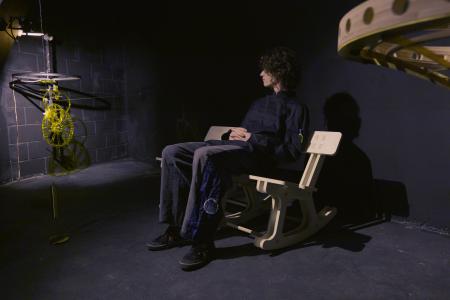
infoRocking Bench
Ossip Blits -
 info
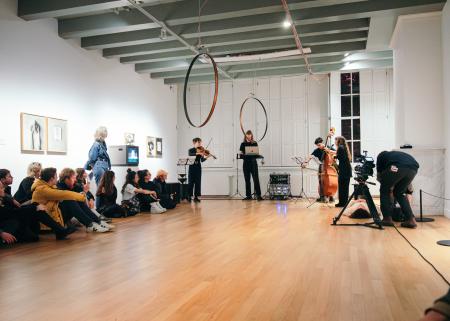
infoOverview Graduation show Foto: Aaryan Sinha
Ossip Blits -
 info
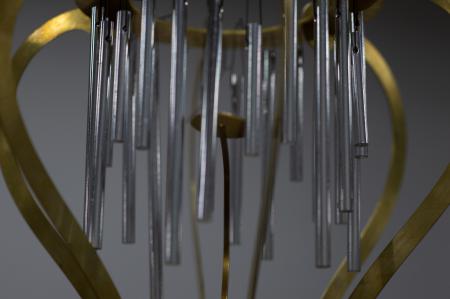
infoCloseup Cuckoo
Ossip Blits -
 info
infoCloseup: Balance-wheel Pendule Foto: Aaryan Sinha
Ossip Blits -
 info
infoFoto: Aaryan Sinha
Ossip Blits -
 info
infoFoto: Aaryan Sinha
Ossip Blits -
 info
infoW139 Foto: Elodie Vreeburg
Ossip Blits -
 infoOssip Blits
 -
 info
infoHuis Marseille Fhoto: Tibor Dieters
Ossip Blits -
 info
infoKunstkapel
Ossip Blits -
 info
infoLaurel Project Space
Ossip Blits -
 infoOssip Blits
 -
 infoOssip Blits
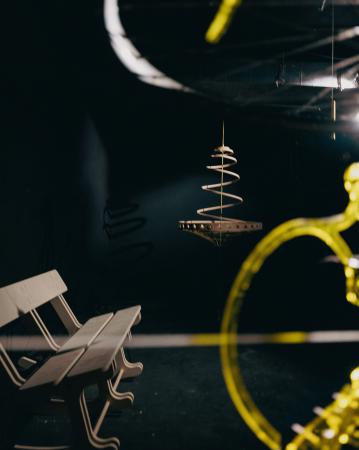
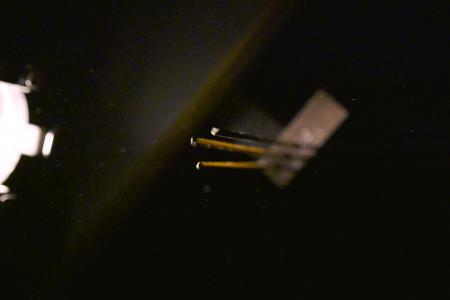
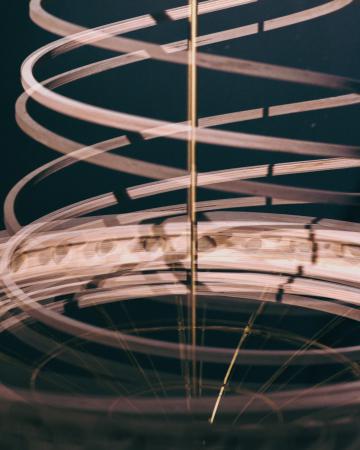
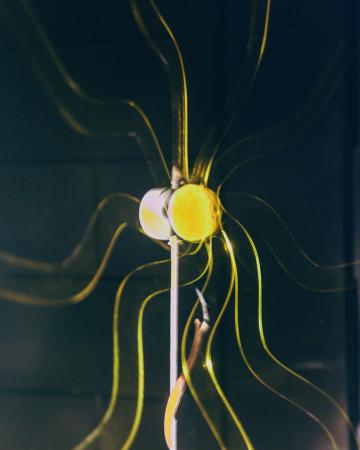
-
 info
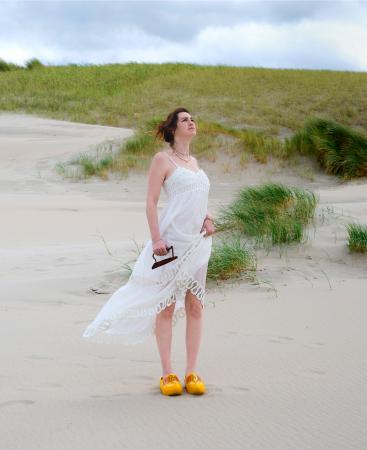
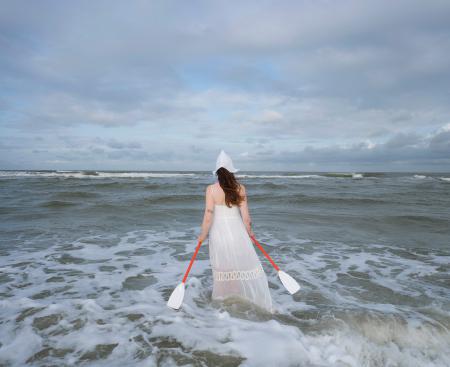
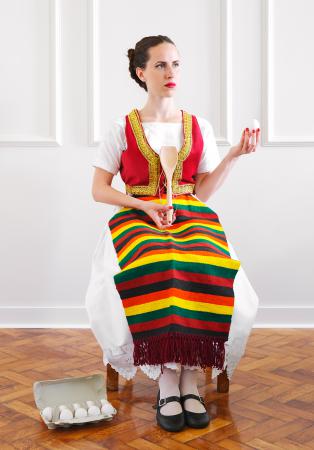
infoHet doorlopende fotografische langetermijnproject »Zilt & Zout« verkent de verbindingen tussen natuur, cultuur en de geschiedenis van Nederland. Elke afbeelding nodigt de toeschouwer uit om de symbolische betekenis te ontrafelen en opnieuw naar de Nederlandse geschiedenis te kijken. De afgebeelde vrouw fungeert als een tijdloze verteller, wiens interacties met de zee, het strand en de duinen diepere verbindingen onthullen met de Nederlandse identiteit en maatschappelijke veranderingen.
Anja Bohnhof -
 info
infoHet doorlopende fotografische langetermijnproject »Zilt & Zout« verkent de verbindingen tussen natuur, cultuur en de geschiedenis van Nederland. Elke afbeelding nodigt de toeschouwer uit om de symbolische betekenis te ontrafelen en opnieuw naar de Nederlandse geschiedenis te kijken. De afgebeelde vrouw fungeert als een tijdloze verteller, wiens interacties met de zee, het strand en de duinen diepere verbindingen onthullen met de Nederlandse identiteit en maatschappelijke veranderingen.
Anja Bohnhof -
 info
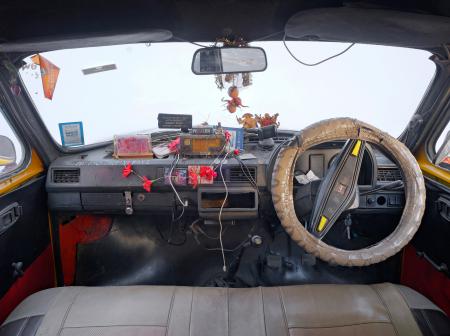
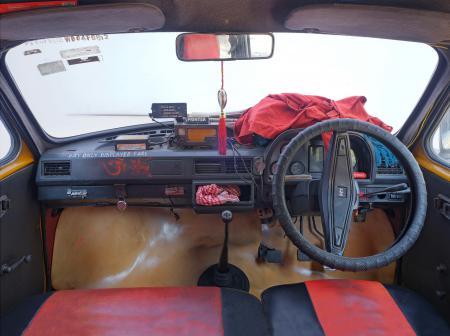
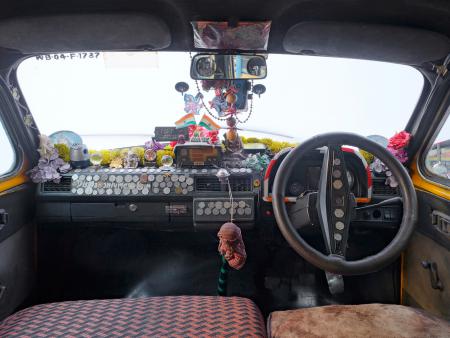
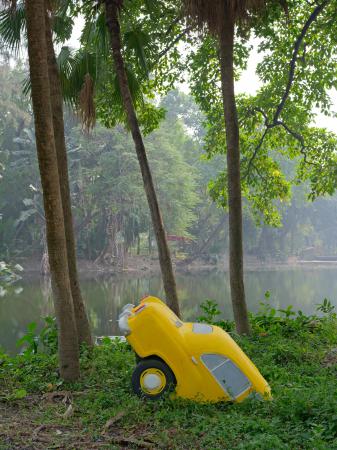
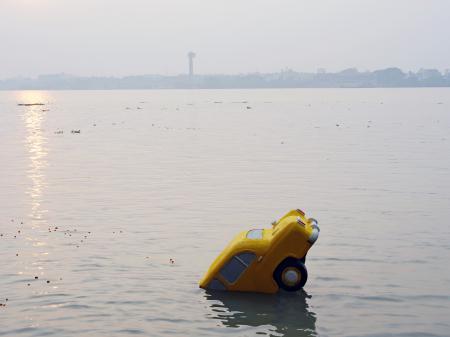
info»Nickname Amby« verkent de geschiedenis en symbolische betekenis van de Hindustan Ambassador als een weerspiegeling van de sociale, politieke en milieutransformaties in India. Sinds de productie in 1948 begon in Uttarpara nabij Kolkata, was de Ambassador decennialang aanwezig – als regeringsauto, gezinsvoertuig en gele taxi – en vormde hij het stadslandschap, het geluidslandschap en het dagelijks leven van Kolkata. In mijn werk wordt dit tastbaar gemaakt door een gerecreëerd model van de Amby, weergaven van de laatste overlevende taxi's en staged interventies in de openbare ruimte – waarmee de veranderingen in het dagelijks leven en de stedelijke ervaring worden gedocumenteerd.
Anja Bohnhof -
 info
info»Nickname Amby« verkent de geschiedenis en symbolische betekenis van de Hindustan Ambassador als een weerspiegeling van de sociale, politieke en milieutransformaties in India. Sinds de productie in 1948 begon in Uttarpara nabij Kolkata, was de Ambassador decennialang aanwezig – als regeringsauto, gezinsvoertuig en gele taxi – en vormde hij het stadslandschap, het geluidslandschap en het dagelijks leven van Kolkata. In mijn werk wordt dit tastbaar gemaakt door een gerecreëerd model van de Amby, weergaven van de laatste overlevende taxi's en staged interventies in de openbare ruimte – waarmee de veranderingen in het dagelijks leven en de stedelijke ervaring worden gedocumenteerd.
Anja Bohnhof -
 info
info»Nickname Amby« verkent de geschiedenis en symbolische betekenis van de Hindustan Ambassador als een weerspiegeling van de sociale, politieke en milieutransformaties in India. Sinds de productie in 1948 begon in Uttarpara nabij Kolkata, was de Ambassador decennialang aanwezig – als regeringsauto, gezinsvoertuig en gele taxi – en vormde hij het stadslandschap, het geluidslandschap en het dagelijks leven van Kolkata. In mijn werk wordt dit tastbaar gemaakt door een gerecreëerd model van de Amby, weergaven van de laatste overlevende taxi's en staged interventies in de openbare ruimte – waarmee de veranderingen in het dagelijks leven en de stedelijke ervaring worden gedocumenteerd.
Anja Bohnhof -
 info
info»Nickname Amby« verkent de geschiedenis en symbolische betekenis van de Hindustan Ambassador als een weerspiegeling van de sociale, politieke en milieutransformaties in India. Sinds de productie in 1948 begon in Uttarpara nabij Kolkata, was de Ambassador decennialang aanwezig – als regeringsauto, gezinsvoertuig en gele taxi – en vormde hij het stadslandschap, het geluidslandschap en het dagelijks leven van Kolkata. In mijn werk wordt dit tastbaar gemaakt door een gerecreëerd model van de Amby, weergaven van de laatste overlevende taxi's en staged interventies in de openbare ruimte – waarmee de veranderingen in het dagelijks leven en de stedelijke ervaring worden gedocumenteerd.
Anja Bohnhof -
 info
info»Nickname Amby« verkent de geschiedenis en symbolische betekenis van de Hindustan Ambassador als een weerspiegeling van de sociale, politieke en milieutransformaties in India. Sinds de productie in 1948 begon in Uttarpara nabij Kolkata, was de Ambassador decennialang aanwezig – als regeringsauto, gezinsvoertuig en gele taxi – en vormde hij het stadslandschap, het geluidslandschap en het dagelijks leven van Kolkata. In mijn werk wordt dit tastbaar gemaakt door een gerecreëerd model van de Amby, weergaven van de laatste overlevende taxi's en staged interventies in de openbare ruimte – waarmee de veranderingen in het dagelijks leven en de stedelijke ervaring worden gedocumenteerd.
Anja Bohnhof -
 info
infoIn het Joegoslavië van de jaren 1960 hadden kunstenaars opmerkelijke ruimte voor creatieve verkenning, een periode die nu wordt gezien als een onafhankelijke uiting van moderniteit. Onder anderen creëerden de Servische kunstenaars Milan Popović en Aleksandar Lučović Lukijan surreële en metaforische werken. Tegenwoordig stelt een regering die sterk gericht is op nationalisme de vrijheid van meningsuiting ter discussie, terwijl nationaal georiënteerde en religieus getinte kunst wordt gepromoot. »The Other Side Of Reality« engageert zich met deze context door het opnieuw in scène zetten van geselecteerde werken van Popović en Lučović Lukijan, die het middelpunt van het project vormen.
Anja Bohnhof -
 info
infoIn het Joegoslavië van de jaren 1960 hadden kunstenaars opmerkelijke ruimte voor creatieve verkenning, een periode die nu wordt gezien als een onafhankelijke uiting van moderniteit. Onder anderen creëerden de Servische kunstenaars Milan Popović en Aleksandar Lučović Lukijan surreële en metaforische werken. Tegenwoordig stelt een regering die sterk gericht is op nationalisme de vrijheid van meningsuiting ter discussie, terwijl nationaal georiënteerde en religieus getinte kunst wordt gepromoot. »The Other Side Of Reality« engageert zich met deze context door het opnieuw in scène zetten van geselecteerde werken van Popović en Lučović Lukijan, die het middelpunt van het project vormen.
Anja Bohnhof -
 info
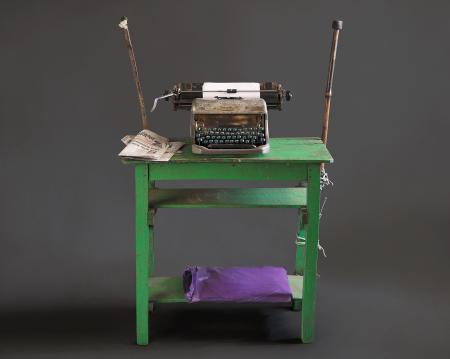
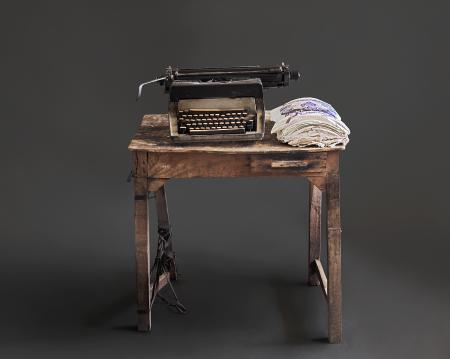
infoDe lokaal zogenoemde Pavement Typists buiten het High Court in Kolkata, India, brengen al decennialang hun werkdagen door op de stoepen voor het gerechtsgebouw. Vandaag de dag loopt dit beroep ten einde. De meeste typisten hebben de pensioengerechtigde leeftijd bereikt, en hun typemachines—vaak Amerikaanse Remington-modellen—dienen al tientallen jaren als hun gereedschap. Deze machines, evenals de versleten werktafels waarop zij staan, dragen sporen van geleefde geschiedenis en ontelbare geschreven verhalen. Hun bescheiden inkomen wordt verdiend onder precaire omstandigheden in de open lucht, in alle weersomstandigheden—van moessonregens tot extreme hitte. Voor sommigen vormt dit nog steeds de belangrijkste bron van gezinsinkomen. Hun klanten zijn voornamelijk advocaten verbonden aan het High Court van Kolkata, die hun handgeschreven notities laten uittypen in het Engels dat daar nog steeds als rechtstaal wordt gebruikt. Deze werkrelaties strekken zich vaak uit over vele jaren. Vóór de digitale omslag, die de vraag naar analoge vaardigheden sterk deed afnemen, werkten er tot wel zestig typisten buiten het gerechtshof; vandaag zijn dat er nog ongeveer twintig. De serie Tables toont hun werktafels, typemachines, gereedschappen en persoonlijke bezittingen, gefotografeerd in een gehuurde ruimte nabij het High Court, in overleg met de eigenaren.
Anja Bohnhof -
 info
infoDe lokaal zogenoemde Pavement Typists buiten het High Court in Kolkata, India, brengen al decennialang hun werkdagen door op de stoepen voor het gerechtsgebouw. Vandaag de dag loopt dit beroep ten einde. De meeste typisten hebben de pensioengerechtigde leeftijd bereikt, en hun typemachines—vaak Amerikaanse Remington-modellen—dienen al tientallen jaren als hun gereedschap. Deze machines, evenals de versleten werktafels waarop zij staan, dragen sporen van geleefde geschiedenis en ontelbare geschreven verhalen. Hun bescheiden inkomen wordt verdiend onder precaire omstandigheden in de open lucht, in alle weersomstandigheden—van moessonregens tot extreme hitte. Voor sommigen vormt dit nog steeds de belangrijkste bron van gezinsinkomen. Hun klanten zijn voornamelijk advocaten verbonden aan het High Court van Kolkata, die hun handgeschreven notities laten uittypen in het Engels dat daar nog steeds als rechtstaal wordt gebruikt. Deze werkrelaties strekken zich vaak uit over vele jaren. Vóór de digitale omslag, die de vraag naar analoge vaardigheden sterk deed afnemen, werkten er tot wel zestig typisten buiten het gerechtshof; vandaag zijn dat er nog ongeveer twintig. De serie Tables toont hun werktafels, typemachines, gereedschappen en persoonlijke bezittingen, gefotografeerd in een gehuurde ruimte nabij het High Court, in overleg met de eigenaren.
Anja Bohnhof -
 info
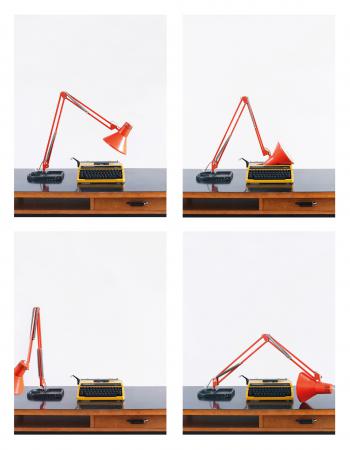
infoOp een tafel in een atelier van de Cité Internationale des Arts in Parijs ontmoeten twee objecten uit de jaren zestig elkaar: een gele Remington-typemachine en een oranje architectenlamp. De lamp beweegt zich met een bijna bezielde kwaliteit rond de typemachine, alsof zij deze vergezelt in haar zoektocht naar inspiratie. De keuze voor deze setting is weloverwogen. De tafel, onderdeel van de oorspronkelijke inrichting van de studio’s, roept associaties op met creativiteit en artistiek erfgoed. De reeks speelt op geestige wijze met analoge communicatie en herinnert, zowel esthetisch als functioneel, aan een vervlogen tijdperk. Analogue presenteert deze ontmoeting als een nostalgische dialoog tussen objecten en nodigt uit tot reflectie op de verhouding tussen mens, machine, ruimte en tijd.
Anja Bohnhof -
 info
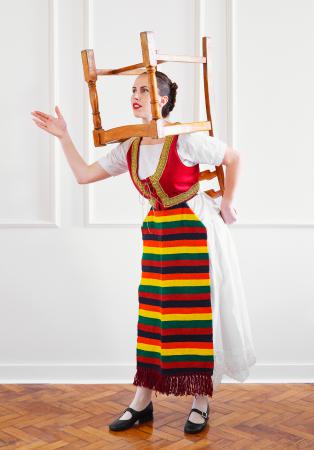
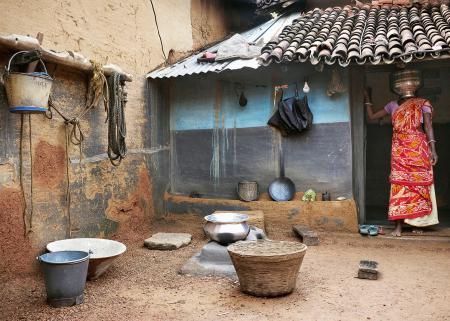
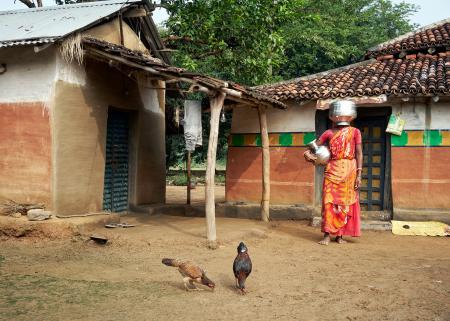
infoToegang tot schoon water werd in 2010 door de Verenigde Naties erkend als een universeel mensenrecht. Ondanks de Internationale Actiedecade “Water – Source of Life” (2005–2015) blijft toenemende waterschaarste een mondiale uitdaging. De oorzaken liggen onder meer in structurele en cultureel bepaalde omgangsvormen met water, de voortgaande privatisering en de gevolgen van klimaatverandering, waarbij sociaal en economisch kwetsbare groepen het zwaarst worden getroffen. In veel dorpen in India ontbreken goed functionerende putten of betrouwbare watervoorzieningen, en is de toegang tot schoon drinkwater vaak onzeker. De gezondheidsgevolgen zijn vooral ernstig voor jonge kinderen. Vrouwen en meisjes, die doorgaans verantwoordelijk zijn voor het halen van water, leggen vaak lange afstanden af naar verre waterbronnen en dragen het water in containers—arbeid die ook de toegang van meisjes tot onderwijs kan beperken. Het werk richt zich zowel op deze concrete leefrealiteiten als op bredere mondiale vraagstukken. In geënsceneerde, surrealistische beelden dragen vrouwen watercontainers ondersteboven op hun hoofd, waardoor hun gezichten aan het zicht worden onttrokken—een nadrukkelijk gebaar dat wijst op een fundamenteel probleem. De foto’s werden gemaakt in twaalf dorpen van de Santal (Adivasi)-gemeenschap in het noorden van West-Bengalen, waar waterschaarste tegen het einde van het droge seizoen bijzonder nijpend wordt.
Anja Bohnhof -
 info
infoToegang tot schoon water werd in 2010 door de Verenigde Naties erkend als een universeel mensenrecht. Ondanks de Internationale Actiedecade “Water – Source of Life” (2005–2015) blijft toenemende waterschaarste een mondiale uitdaging. De oorzaken liggen onder meer in structurele en cultureel bepaalde omgangsvormen met water, de voortgaande privatisering en de gevolgen van klimaatverandering, waarbij sociaal en economisch kwetsbare groepen het zwaarst worden getroffen. In veel dorpen in India ontbreken goed functionerende putten of betrouwbare watervoorzieningen, en is de toegang tot schoon drinkwater vaak onzeker. De gezondheidsgevolgen zijn vooral ernstig voor jonge kinderen. Vrouwen en meisjes, die doorgaans verantwoordelijk zijn voor het halen van water, leggen vaak lange afstanden af naar verre waterbronnen en dragen het water in containers—arbeid die ook de toegang van meisjes tot onderwijs kan beperken. Het werk richt zich zowel op deze concrete leefrealiteiten als op bredere mondiale vraagstukken. In geënsceneerde, surrealistische beelden dragen vrouwen watercontainers ondersteboven op hun hoofd, waardoor hun gezichten aan het zicht worden onttrokken—een nadrukkelijk gebaar dat wijst op een fundamenteel probleem. De foto’s werden gemaakt in twaalf dorpen van de Santal (Adivasi)-gemeenschap in het noorden van West-Bengalen, waar waterschaarste tegen het einde van het droge seizoen bijzonder nijpend wordt.
Anja Bohnhof
-
 info
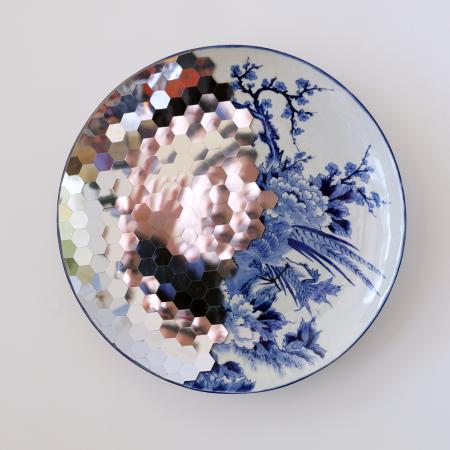
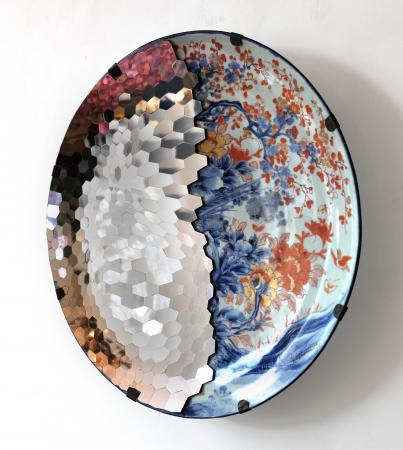
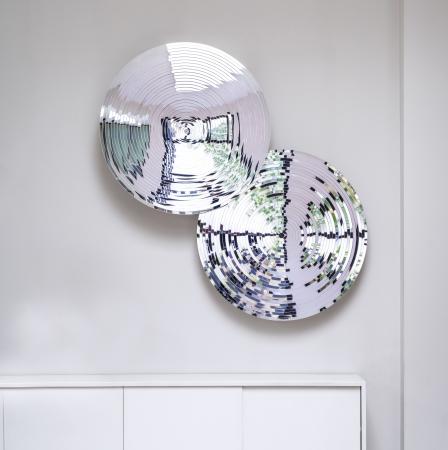
infoEen onwaarschijnlijke combinatie van twee elementen die normaal gesproken niet samen voorkomen. Een 19e-eeuws Japans Imari-bord en moderne, gepolijste metalen spiegels zijn samengevoegd tot een nieuw geheel.
Feddow Claassen -
 info
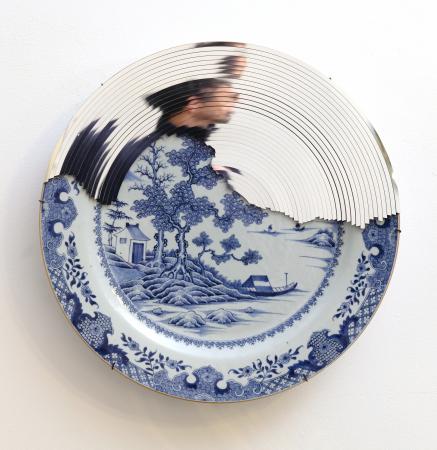
infoEen antiek Chinees Qianlong-bord gecombineerd met contrasterende spiegelelementen.
Feddow Claassen -
 info
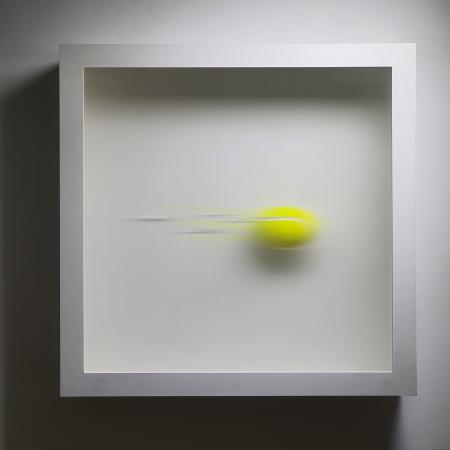
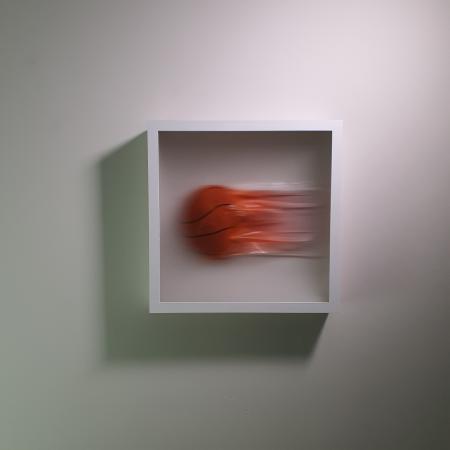
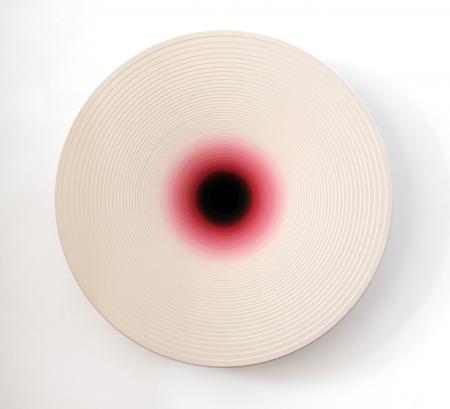
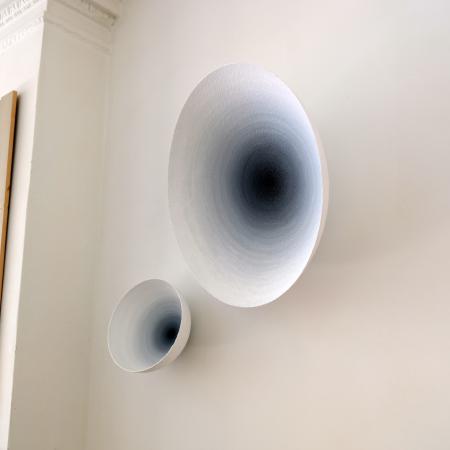
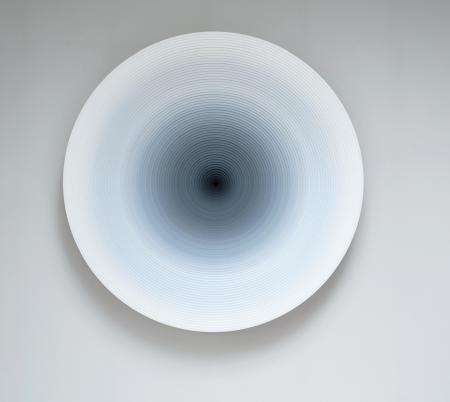
infoEen fysieke manifestatie van bewegingsonscherpte die in werkelijkheid alleen bestaat als interpretatie wanneer een object sneller beweegt dan onze hersenen kunnen verwerken.
Feddow Claassen -
 info
infoEen fysieke manifestatie van bewegingsonscherpte die in werkelijkheid alleen bestaat als interpretatie wanneer een object sneller beweegt dan onze hersenen kunnen verwerken.
Feddow Claassen -
 infoFeddow Claassen
 -
 info
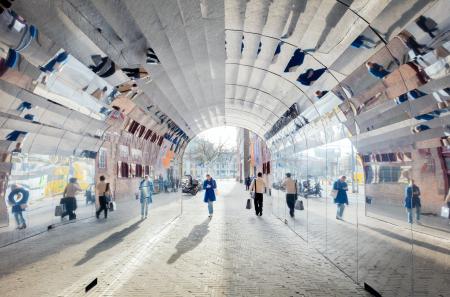
infoSpeelse monumentaliteit is een indrukwekkende installatie bij de Gevangenpoort, een 14e-eeuws rijksmonument in Den Haag. Ooit de toegang tot het Binnenhof en later berucht als de gevangenis van de Gebroeders De Witt. Kunstenaar Feddow Claassen vervangt die oude geschiedenis door een nieuw perspectief. Met rondom aangebrachte aluminium platen creëert hij een effect dat doet denken aan lachspiegels, waarbij de bolle (convexe) en holle (concave) krommingen het beeld vervormen. Bezoekers zien zichzelf en de omgeving als lang en dun of juist kort en breed, wat een speelse draai geeft aan de historische monumentaliteit. Mis deze betoverende toevoeging aan het festival niet!
Feddow Claassen -
![]() info
infoHet verhaal op dit antieke bord toont “De drie vrienden van winter”. Wild verstrengeld in elkaar tonen ze een eenheid van kracht, vasthoudendheid en hoop. Met de spiegelzijde creëer ik ook een verstrengeling. Flarden van de omgeving en de kijker zijn te zien in de spiegelsegmenten, gefragmenteerd en opnieuw door elkaar gerangschikt. De kijker staat niet meer los van de omgeving maar is ermee verstrengeld tot een verenigd symbool.
Feddow Claassen -
 infoFeddow Claassen
 -
 infoFeddow Claassen
 -
 infoFeddow Claassen
 -
 infoFeddow Claassen
 -
 infoFeddow Claassen
 -
 info
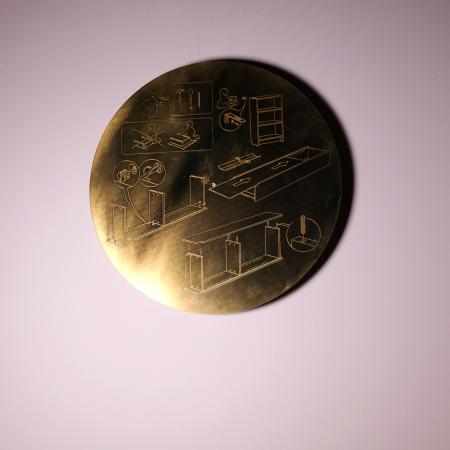
infoEen halve eeuw geleden stuurde NASA Voyager de ruimte in met een universele boodschap op een gouden plaat. De inscriptie bevat informatie die de diversiteit van het leven op aarde moet weerspiegelen, bedoeld als boodschap voor buitenaards leven. Momenteel bevindt voyager zich op 20 miljard kilometer afstand van de aarde met een boodschap die we niet kunnen veranderen. Als kind was ik gefascineerd door deze 'universele boodschap' die uitlegt wie we zijn. Ik besloot om vanuit een kunstenaarsperspectief mijn eigen versie te creëren.
Feddow Claassen -
 infoFeddow Claassen
 -
 info
infoFysiek gemaakte radio met fysiek gemaakte spiegelbeeld. Welke is echt en welk is de reflectie?
Feddow Claassen
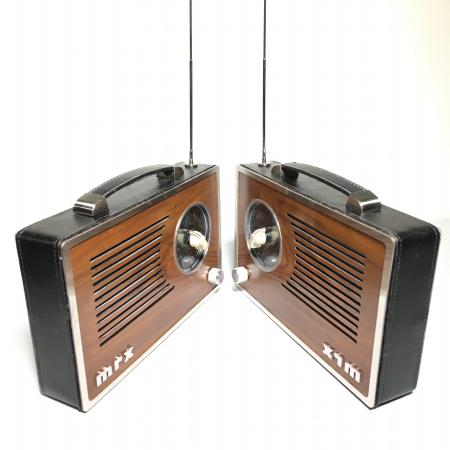
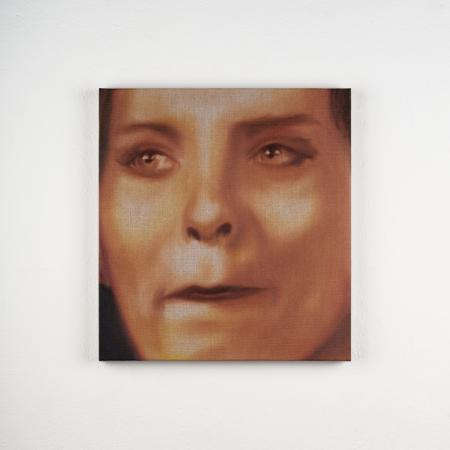
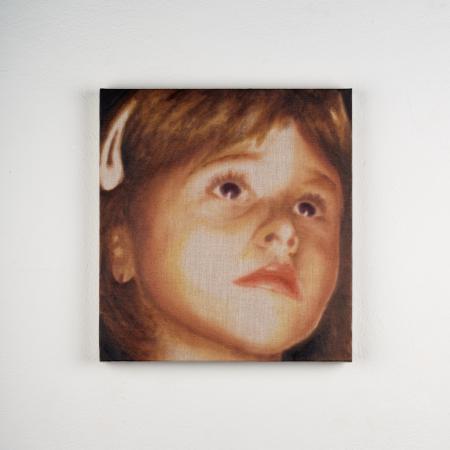
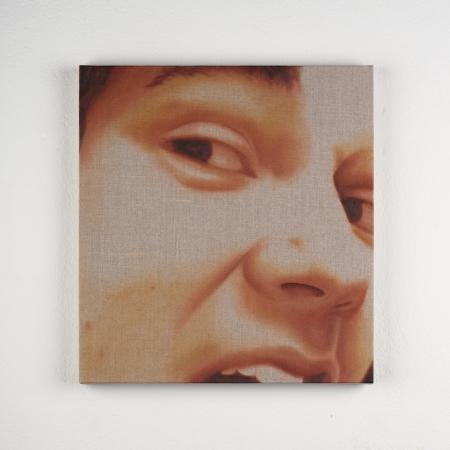

-
 info
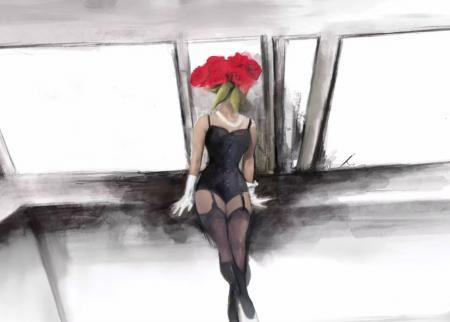
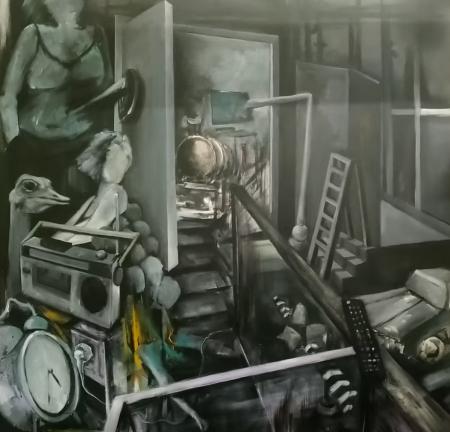
infoHet werk toont een solitaire figuur binnen een minimale, geconstrueerde ruimte, waarin zichtbaarheid een plek wordt van projectie en controle. Het lichaam oogt beheerst en autonoom, terwijl het verhulde gezicht een toestand introduceert waarin identiteit wordt verplaatst en opnieuw gedefinieerd door externe waarneming. Door aanwezigheid te positioneren als iets dat onrust oproept, suggereert het beeld een systeem waarin bestaan zelf onderhevig wordt aan angst, en functioneert het als een drempel tussen zelfbeschikking en opgelegde betekenis.
Bahador Fatemi -
 info
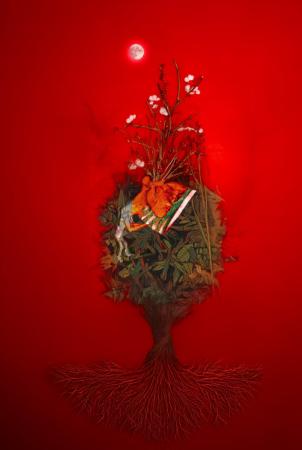
infoHet werk toont een verticaal opgebouwde vorm waarin organische en geconstrueerde elementen samenkomen in één instabiele configuratie. Gepositioneerd tussen groei en begrenzing, suggereert het beeld een gelaagde toestand waarin herinnering, symboliek en materiële aanwezigheid zich opstapelen zonder te resulteren in een vaste identiteit. Als drempel tussen binnen en buiten draagt de vorm een stille spanning, waarin transformatie niet voltooid maar opgeschort lijkt.
Bahador Fatemi -
 info
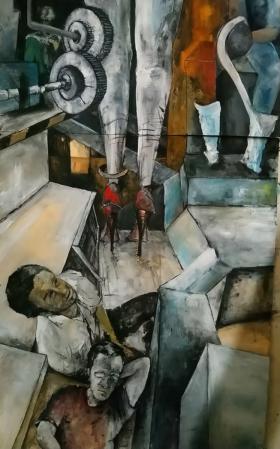
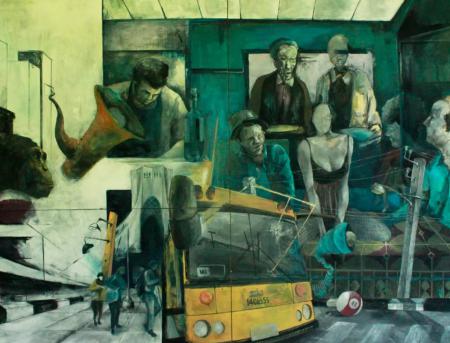
infoHet werk toont een geconstrueerde, beklemmende ruimte waarin lichamen en objecten zijn gepositioneerd binnen een systeem van druk, verlangen en controle. Gefragmenteerde figuren lijken te balanceren tussen aantrekking en beperking, wat een toestand suggereert waarin handelingsvermogen instabiel is en voortdurend wordt onderhandeld. Het beeld functioneert als een drempel waarin impulsen worden versterkt maar nooit volledig tot ontlading komen, en waarin een spanning ontstaat tussen beweging, beperking en instorting.
Bahador Fatemi -
 info
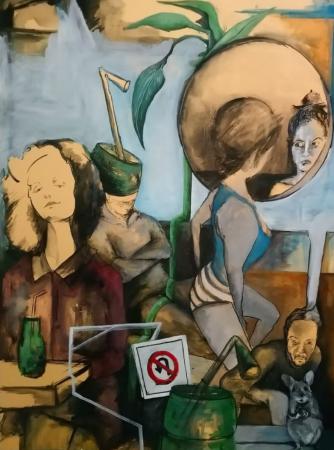
infoHet werk toont een geconstrueerd interieur waarin figuren worden gepositioneerd binnen een systeem van kijken, blootstelling en controle. Lichamen verschijnen gefragmenteerd en slechts gedeeltelijk gedefinieerd, wat een toestand suggereert waarin identiteit wordt gevormd door observatie en ruimtelijke hiërarchie in plaats van een vaste aanwezigheid. Het beeld functioneert als een drempel waarin intimiteit, ongemak en machtsverhoudingen in elkaar overlopen zonder tot een oplossing te komen.
Bahador Fatemi -
 info
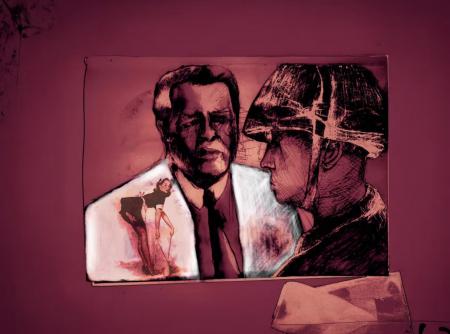
infoHet werk toont een geconstrueerd beeld waarin figuren die verbonden zijn met autoriteit en gehoorzaamheid worden gepositioneerd binnen een gemedieerd kader. De gelaagdheid van beelden suggereert een systeem waarin identiteit niet direct is, maar wordt geproduceerd door representatie, projectie en controle. Door de soldaat te combineren met andere visuele fragmenten, ondermijnt het beeld vaste rollen en onthult het een toestand waarin macht zowel wordt opgevoerd als geïnternaliseerd, en functioneert als een drempel tussen individuele aanwezigheid en opgelegde structuur.
Bahador Fatemi -
 info
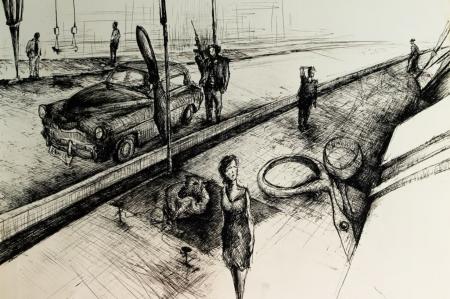
infoHet werk toont de openbare ruimte als een plek waar ritueel, controle en normalisering samenkomen. Figuren, dieren en objecten zijn gepositioneerd binnen een systeem waarin handelingen van transformatie en opoffering zichtbaar zijn, maar tegelijk onderdeel worden van het alledaagse. Door lichamelijke ingreep te verbinden met collectieve praktijk, suggereert het beeld een toestand waarin geweld wordt gestructureerd, herhaald en opgenomen in het sociale weefsel, en functioneert als een drempel tussen geloof, gehoorzaamheid en controle.
Bahador Fatemi -
 info
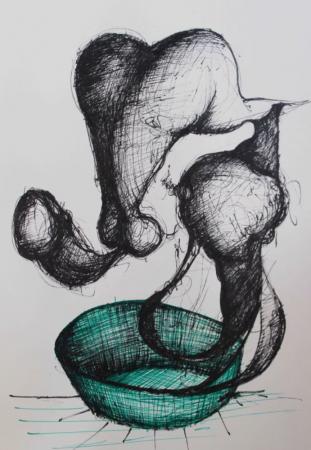
infoHet werk toont een gereduceerde, bijna geabstraheerde lichaamsvorm in een toestand van transformatie, waarin de grenzen tussen binnen en buiten, lichaam en object vervagen. Het beeld suggereert een opgelegde handeling die het lichaam hervormt terwijl deze gedeeltelijk verhuld blijft, waardoor de figuur wordt geplaatst in een toestand van kwetsbaarheid en controle. Als visuele structuur functioneert het werk als een drempel waarin identiteit niet vastligt maar wordt gewijzigd door ingreep, en waarin een spanning zichtbaar blijft tussen aanwezigheid, afwezigheid en verlies.
Bahador Fatemi -
 info
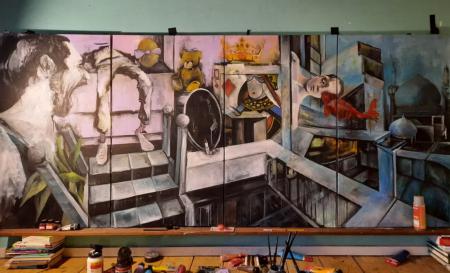
infoHet werk toont een architectonische omgeving als een gefragmenteerd systeem van drempels, waarin figuren, objecten en symbolische elementen naast elkaar bestaan zonder een stabiel narratief te vormen. De ruimte functioneert als een tussenruimte waarin verschuivingen in schaal, perspectief en betekenis elke vaste positie ondermijnen. Binnen dit geconstrueerde interieur blijven relaties onbepaald en ontstaat een voortdurende onderhandeling tussen aanwezigheid, afwezigheid en transformatie.
Bahador Fatemi -
 info
infoHet werk toont een interieur als een gefragmenteerd veld van relaties, waarin objecten en figuren functioneren als instabiele markeringen van nabijheid en afstand. Gepositioneerd tussen persoonlijke herinnering en geconstrueerde ruimte, suggereert het beeld een toestand waarin verbinding voortdurend wordt onderhandeld maar nooit volledig wordt opgelost.
Bahador Fatemi -
 info
infoHet werk verbeeldt een educatieve omgeving als een gefragmenteerd systeem waarin individuen worden gevormd, geobserveerd en gepositioneerd zonder werkelijk verbinding te maken. Naarmate de scène zich ontvouwt, tonen de structuren van leren een stille spanning waarin vorming en controle langzaam in elkaar overlopen en een subtiele instorting voelbaar wordt.
Bahador Fatemi
-
 info
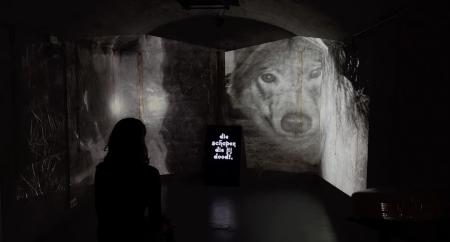
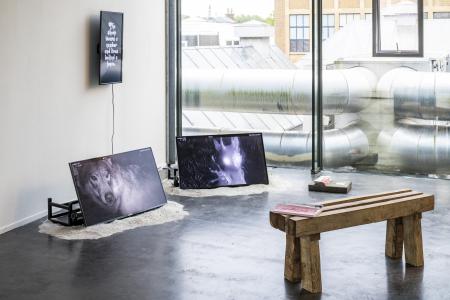
info(Op de foto: de installatie in Kunstfort bij Vijfhuizen) In de stilte van de nacht, diep in het Nederlandse natuurgebied De Veluwe, wordt door een wildcamera een onverwacht signaal vastgelegd. Een wolf verschijnt, pauzeert alsof hij een andere aanwezigheid opmerkt. Het is Pan, de oude god van herders en de natuur, die is gekomen om met de wolf te spreken. Een hybride van mens en geit, Pan overbrugt de menselijke en niet-menselijke werelden en belichaamt de geest van de wildernis. Wat volgt, is een nocturnale conversatie tussen twee verbannen figuren: de ene verbannen uit het land, de andere uit onze verbeelding. In de installatie A Wild Encounter reflecteer ik op de recente heropleving van de wolf in Nederland door middel van een fictieve conversatie tussen de Wolf en Pan. Het werk bestaat uit archiefbeelden van wolven, vastgelegd door wildcamera’s in De Veluwe, een animatie van Pan, een gescripte dialoog en een bundel essays over de wolf, de wildernis en de rol van mythevorming en animatie. Met dit project probeer ik verder te gaan dan de mensgerichte en polariserende discussie rondom de terugkeer van de wolf. In plaats daarvan bekijk ik het door de lens van het fictieve en het meer-dan-menselijke, met behulp van storytelling om onze relatie tot het dier, het landschap en het idee van wildernis opnieuw te vormen.
Luna Konings -
 info
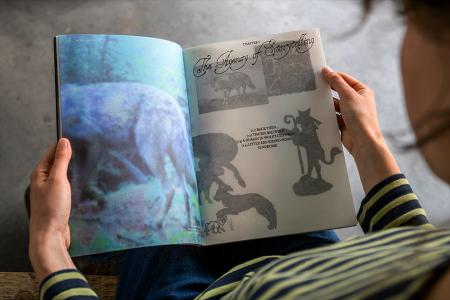
infoHet boek Wild Imaginations hoort bij het werk A Wild Encounter en is een bundel van essays en illustraties over de wolf, het wilde en de rol van mythemaken en animatie.
Luna Konings -
 info
infoIn de stilte van de nacht, diep in het Nederlandse natuurgebied De Veluwe, wordt door een wildcamera een onverwacht signaal vastgelegd. Een wolf verschijnt, pauzeert alsof hij een andere aanwezigheid opmerkt. Het is Pan, de oude god van herders en de natuur, die is gekomen om met de wolf te spreken. Een hybride van mens en geit, Pan overbrugt de menselijke en niet-menselijke werelden en belichaamt de geest van de wildernis. Wat volgt, is een nocturnale conversatie tussen twee verbannen figuren: de ene verbannen uit het land, de andere uit onze verbeelding. In de installatie A Wild Encounter reflecteer ik op de recente heropleving van de wolf in Nederland door middel van een fictieve conversatie tussen de Wolf en Pan. Het werk bestaat uit archiefbeelden van wolven, vastgelegd door wildcamera’s in De Veluwe, een animatie van Pan, een gescripte dialoog en een bundel essays over de wolf, de wildernis en de rol van mythevorming en animatie. Met dit project probeer ik verder te gaan dan de mensgerichte en polariserende discussie rondom de terugkeer van de wolf. In plaats daarvan bekijk ik het door de lens van het fictieve en het meer-dan-menselijke, met behulp van storytelling om onze relatie tot het dier, het landschap en het idee van wildernis opnieuw te vormen.
Luna Konings -
 info
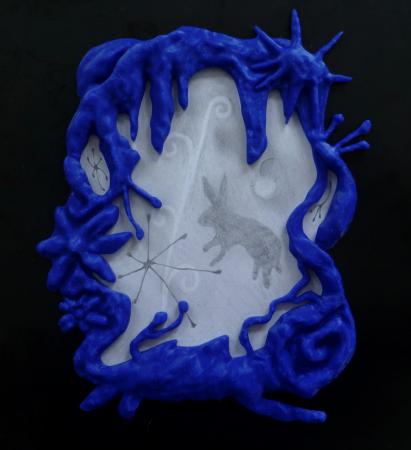
infoPersoonlijke exploratie van "frames".
Luna Konings -
 info
infoPersoonlijke exploratie van "frames".
Luna Konings -
 info
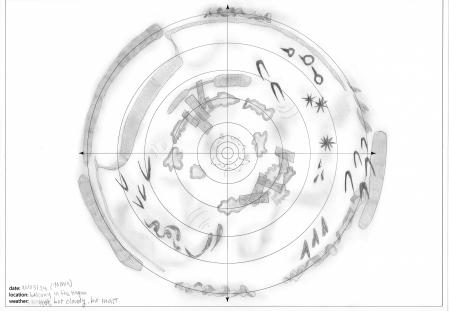
infoEen serie aan "sound-maps" waar bij ik luister naar de omgeving en dat visualiseer in een tekening.
Luna Konings -
 info
infoHet woord ‘human’(mens) is afgeleid van het woord 'humus', hetgeen aarde betekent. Dit roept de gedachte op dat wij afstammen van de “onderland”, de plek onder het aardoppervlak. Hoewel de mens nauw verbonden is met deze ondergrondse ruimte, blijft deze grotendeels onbekend en intrigerend voor ons. Het is een omgeving die zowel letterlijk als figuurlijk moeilijk te betreden is. Grotten kunnen worden gezien als natuurlijk gevormde scheuren in het aardoppervlak, die het voor de mens mogelijk maken om toegang te krijgen tot deze “onderland”. Met hun eigen visuele taal van vormen, die zich over miljoenen jaren hebben ontwikkeld, vormen zij ruimtes waar de verbeelding vrij kan bloeien en waar mysteries dichterbij lijken dan in de wereld boven de grond. Het werk “spelunking” exploreert deze visuele en conceptuele aspecten van de grot.
Luna Konings -
 info
infoPersoonlijke exploratie van "frames".
Luna Konings -
 info
infoPersoonlijke exploratie van "frames".
Luna Konings -
 info
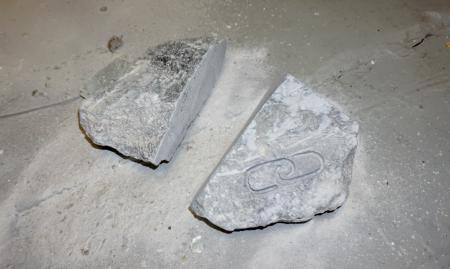
infoDigitale symbolen laten geen fysieke restanten achter en kunnen daardoor verloren gaan naarmate de aarde en samenlevingen met haar veranderen. Maar wat als ze fossiliseren en ontdekt worden tijdens een toekomstige archeologische opgraving? De installatie DigiGlyphs bouwt voort op het concept van technofossielen; de materiële resten van moderne samenlevingen die zichtbaar zullen zijn in de geologische lagen van de aarde in de verre toekomst. Bijna alle culturele objecten die gemaakt zijn, zijn ooit gegroeid of afgeleid uit de bronnen onder onze voeten. In deze installatie vinden zelfs de meest abstracte digitale symbolen, die schijnbaar onstoffelijk zijn, hun weg terug naar hun fysieke oorsprong. Voor toekomstige archeologen zullen DigiGlyphs de relikwieën zijn van onze tijd, die vragen oproepen over hoe wij door de (digitale) wereld zwierven.
Luna Konings -
 info
infoAutonoom werk
Luna Konings -
 info
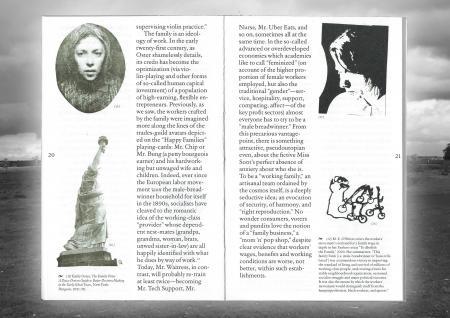
infoPublicatie ontwerp van het hoofdstuk But I Love my Family! uit het essay Abolish the Family door Sophie Lewis. Al het beeldmateriaal komt uit de feministische magazines Ain’t I a Woman? uit de jaren 80.
Luna Konings -
 info
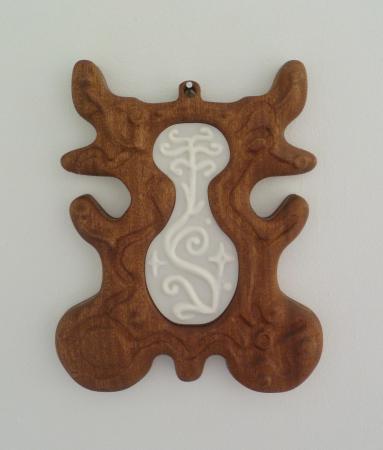
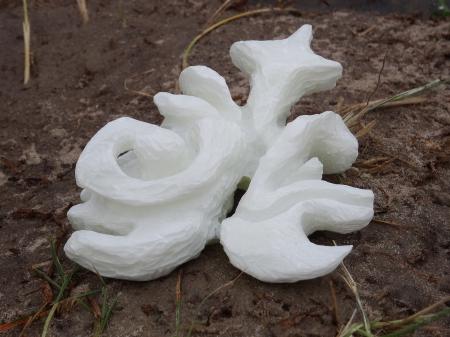
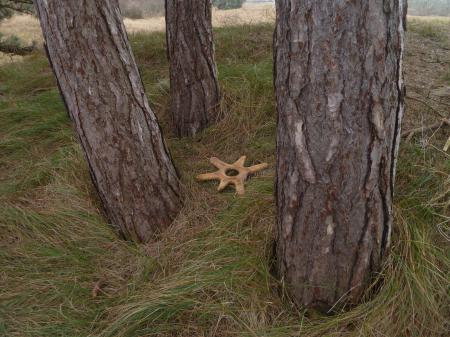
infoHoutgehouwen voorwerp met gravures, verbonden aan een fictief kort verhaal dat ik heb geschreven, waarin een archeoloog reflecteert op het voorwerp dat een Sun-Disc wordt genoemd. Ze realizeert zich dat het voorwerp al jaren verkeerd geïnterpreteerd wordt. Wat haar collega’s dachten dat een oud wapen was, blijkt een voorwerp te zijn dat gerelateerd is aan en het bijhouden van gemeenschappen. Het verhaal was geïnspireerd door Ursula K. Le Guins essay The Carrier Bag Theory of Fiction.
Luna Konings -
 info
infoDigitale symbolen laten geen fysieke restanten achter en kunnen daardoor verloren gaan naarmate de aarde en samenlevingen met haar veranderen. Maar wat als ze fossiliseren en ontdekt worden tijdens een toekomstige archeologische opgraving? De installatie DigiGlyphs bouwt voort op het concept van technofossielen; de materiële resten van moderne samenlevingen die zichtbaar zullen zijn in de geologische lagen van de aarde in de verre toekomst. Bijna alle culturele objecten die gemaakt zijn, zijn ooit gegroeid of afgeleid uit de bronnen onder onze voeten. In deze installatie vinden zelfs de meest abstracte digitale symbolen, die schijnbaar onstoffelijk zijn, hun weg terug naar hun fysieke oorsprong. Voor toekomstige archeologen zullen DigiGlyphs de relikwieën zijn van onze tijd, die vragen oproepen over hoe wij door de (digitale) wereld zwierven.
Luna Konings -
 info
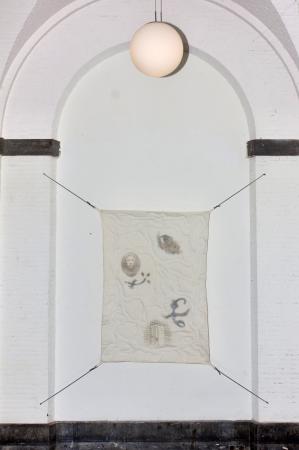
infoHand gemaakte deken met quilt techniek en hitte geperste illustraties en beeldmateriaal uit de feministische magazines Ain't I a Woman?
Luna Konings -
 info
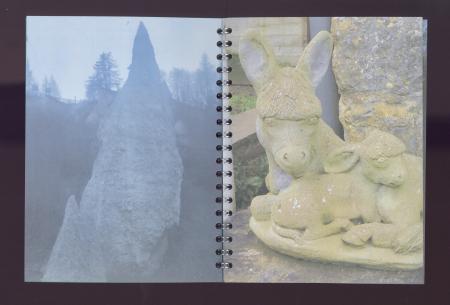
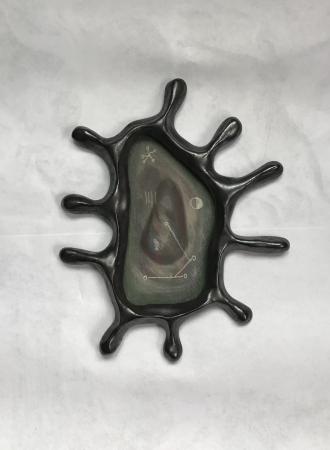
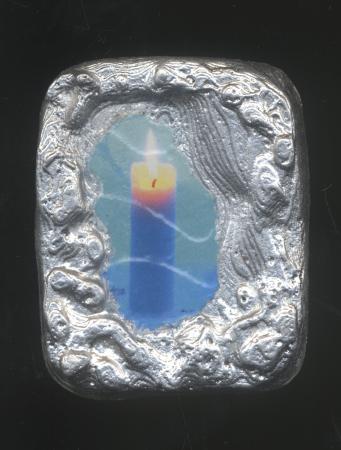
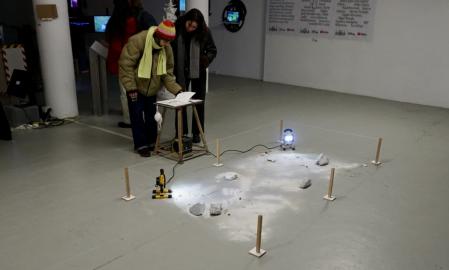
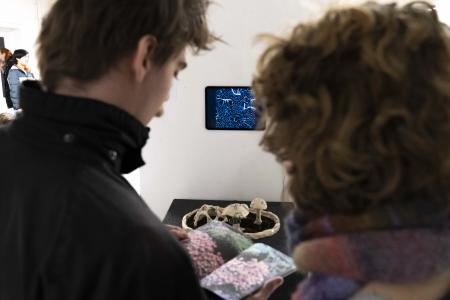
infoHet Wood Wide Web en het World Wide Web kunnen als tegenpolen worden gezien; de een natuurlijk groeiend, de ander door mensen vervaardigd. Maar als je er echt op ingaat, vertonen hun structuur en werking eigenlijk grote overeenkomsten. Wat als de myceliale wortels van het Wood Wide Web, die actief op zoek zijn naar nieuwe symbiotische partners, stuiten op de elektronische kabels die het World Wide Web ver onder de grond verbinden? Wat zouden ze tegen elkaar zeggen? Zouden ze elkaar mogen? En wat als ze verliefd zouden worden? In “WWW❦WWW” heb ik de potentiële relatie tussen natuurlijke en kunstmatige ondergrondse wortels visualiseerd. Met interactie en uitwisseling tussen de bezoeker en het werk stelde ik me nieuwe symbiotische verbindingen voor. Expositie in The Grey Space. Foto door Helena Roig.
Luna Konings
-
 info
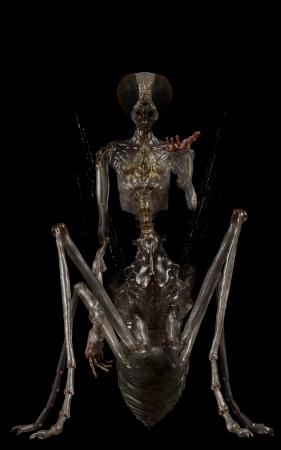
info3D animatie video waarin hybride organismes aspecten van menselijke psychology belichamen in hun materialiteit en anatomie.
Levi Kramer -
 info
infoPortret gebaseerd op beeld van Morpheus
Levi Kramer -
 info
infoexperiment met meervoudige belichting
Levi Kramer -
 info
infohedendaagse bewegingen
Levi Kramer -
 info
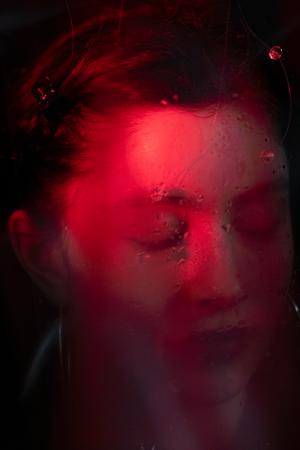
infoPortret experiment
Levi Kramer -
 info
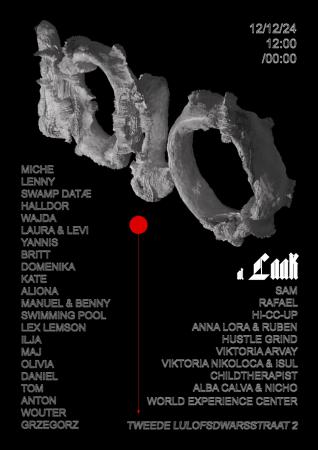
infoPoster voor ArtScience evenement
Levi Kramer -
 info
infoLarvestadium van mijn project "IO".
Levi Kramer -
 info
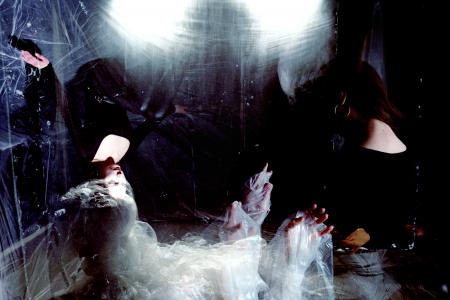
infoEen van de printen gemaakt tijdens een performance van mijn werk "Static Transmutation" waarin ik mezelf elektrisch oplaadde, vervolgens de lading overzette naar een plastic plaat om er een druk van te maken.
Levi Kramer -
 info
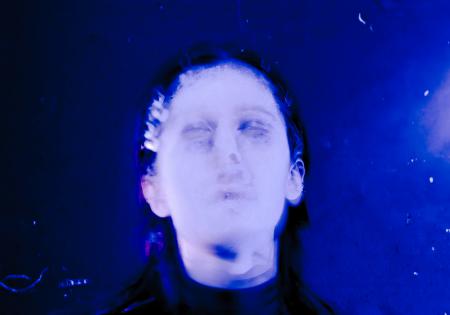
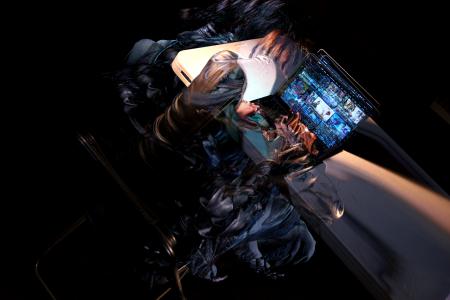
infocomposiet zelfportret
Levi Kramer
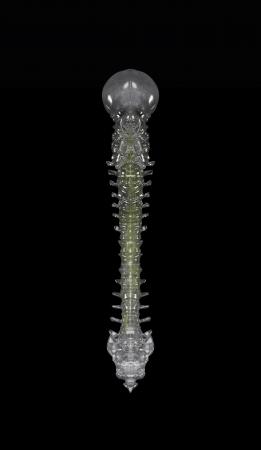
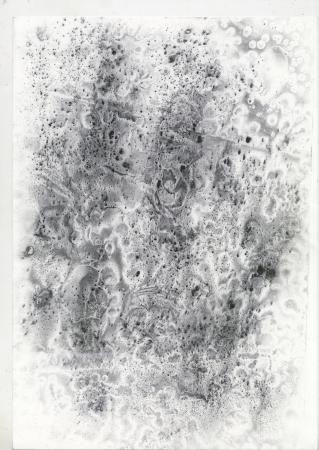
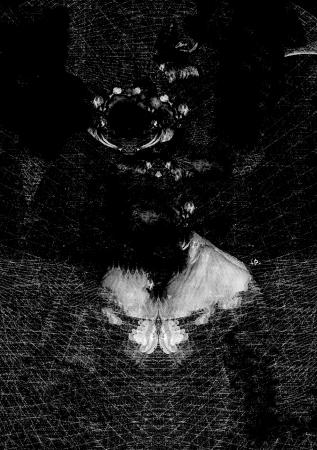
-
![]() infoSara Nygård
infoSara Nygård -
![]() infoSara Nygård
infoSara Nygård -
![]() infoSara Nygård
infoSara Nygård -
![]() infoSara Nygård
infoSara Nygård -
![]() infoSara Nygård
infoSara Nygård -
![]() infoSara Nygård
infoSara Nygård -
![]() infoSara Nygård
infoSara Nygård -
![]() infoSara Nygård
infoSara Nygård -
![]() infoSara Nygård
infoSara Nygård -
![]() infoSara Nygård
infoSara Nygård -
![]() infoSara Nygård
infoSara Nygård -
![]() infoSara Nygård
infoSara Nygård -
![]() infoSara Nygård
infoSara Nygård -
![]() infoSara Nygård
infoSara Nygård -
![]() infoSara Nygård
infoSara Nygård -
![]() infoSara Nygård
infoSara Nygård -
![]() infoSara Nygård
infoSara Nygård -
![]() infoSara Nygård
infoSara Nygård
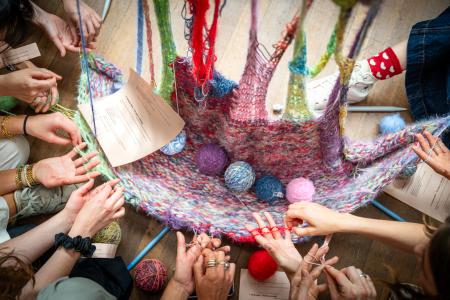
-
 info
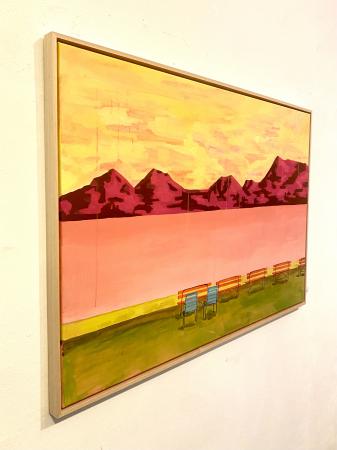
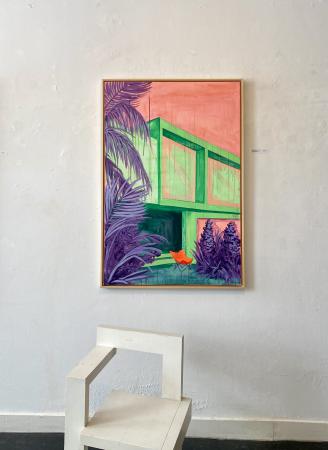
infoTake a Chair is is onderdeel van de collectie "Landscapes of the mind"
michelle beugeling -
 info
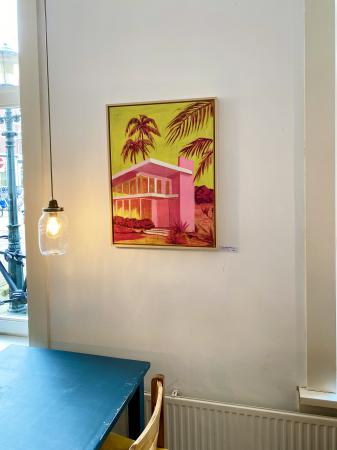
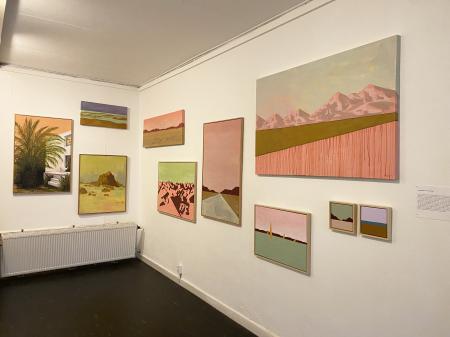
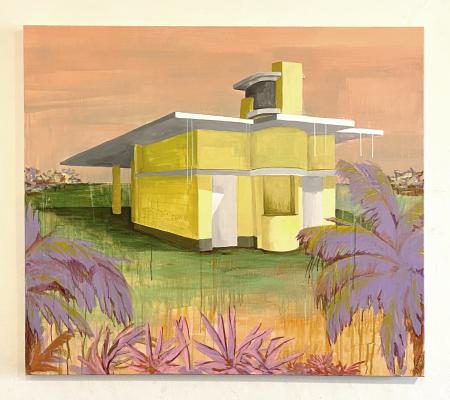
infoPaml Springs Yellow sky is onderdeel van de collectie "Landscapes of the mind" Verkocht aan particulier in Nederland
michelle beugeling -
 info
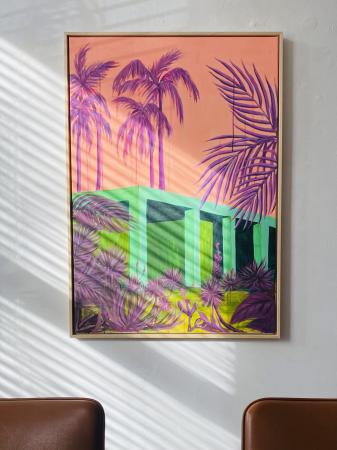
infoPalm Springs is onderdeel van de collectie "Landscapes of the mind" Verkocht aan particulier in Amsterdam
michelle beugeling -
 info
infoBologna I is onderdeel van de collectie "Landscapes of the mind" Verkocht aan particulier in Nederland
michelle beugeling -
 info
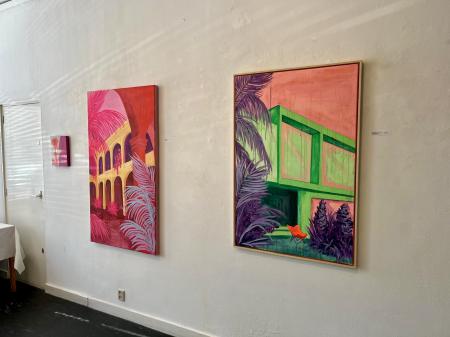
infoPalm Springs is onderdeel van de collectie "Landscapes of the mind" Verkocht aan particulier in Den Haag
michelle beugeling -
 info
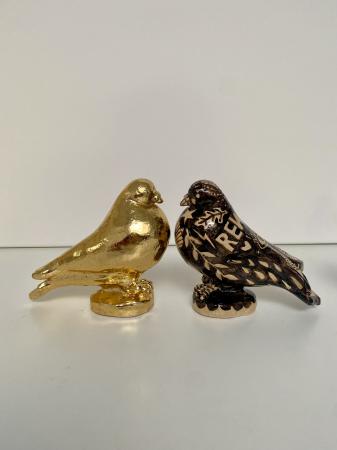
infoDeze doffers (duiven) van keramiek zijn onderdeel van een serie verschillend gedecoreerde handgevormde duiven. Deze "haagse doffers" zijn een ode aan de stad, aan de rauwe kantjes en de glans. Een ode aan het centrum vol doffers, duifjes, kraaien, reigers en paradijsvogels. Een ode aan Gerard Fieret en de hagenezen met een duiventil op het dak.
michelle beugeling -
 info
infoLes deux Alpes is onderdeel van de collectie "Landscapes of the mind" Verkocht aan particulier
michelle beugeling -
 info
infoPorto de Setubal is onderdeel van de collectie "Landscapes of the mind"
michelle beugeling -
 info
infoPicos de Europa is onderdeel van de collectie "Landscapes of the mind"
michelle beugeling -
 info
infoSaint-Tropez is onderdeel van de collectie "Landscapes of the mind" verkocht aan particulier
michelle beugeling -
 info
infoLittle Wrestler is onderdeel van verschillende portretten in aardewerk.
michelle beugeling